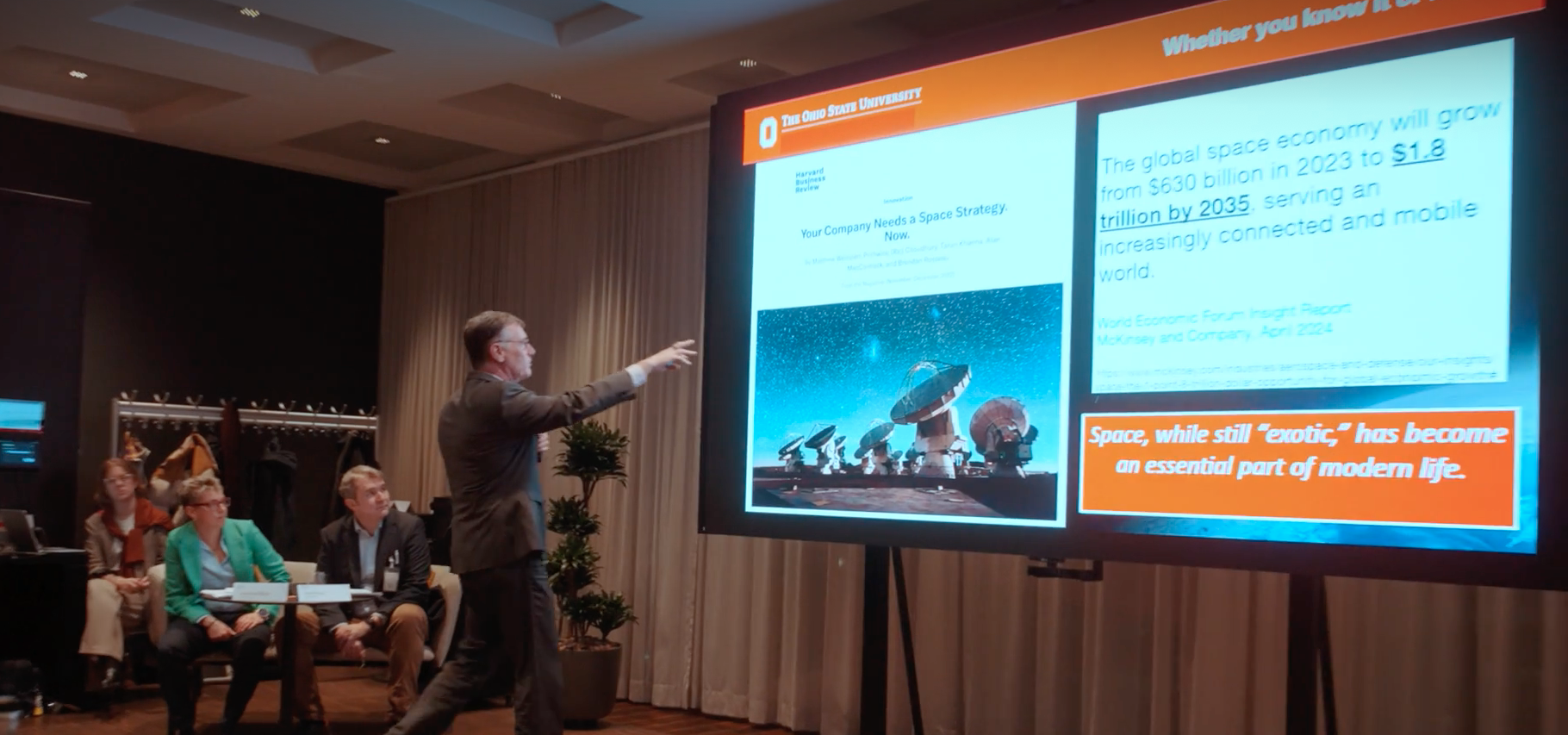
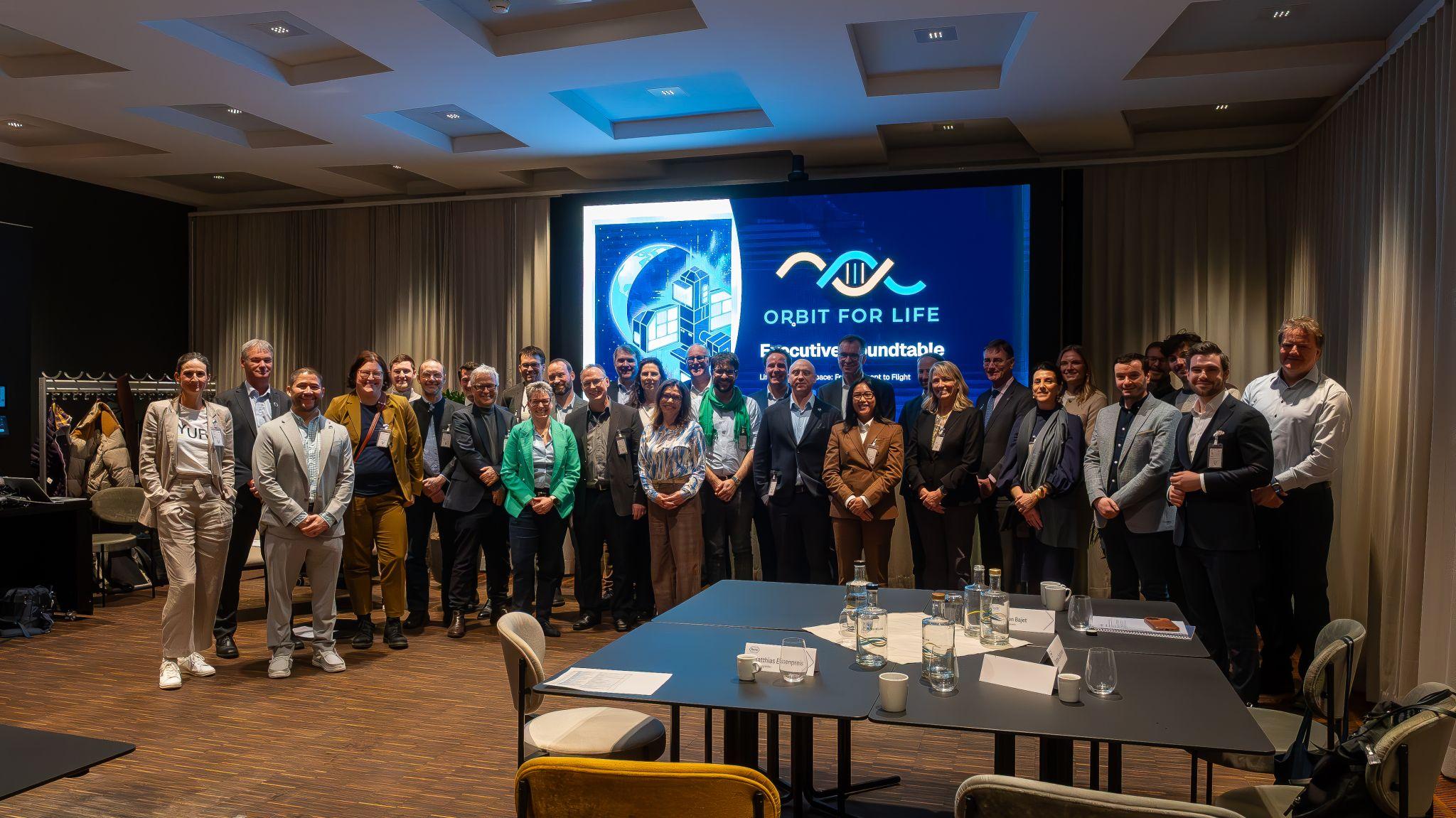
“We’re moving into a new age of research in space,” Horack said. “The International Space Station is coming down, and it will be replaced by a fleet of privately owned and commercially operated space stations, many of which will have business models based around scientific research.”
For more than 30 years, researchers have used the space station to study biotechnology, human health, plant science and cell biology. Being in orbit offers something laboratories on Earth cannot replicate.
“No matter how much money we spend, there are things that we cannot do on the ground that we do in space,” Horack said. “When you go to orbit, you’re in a very reduced gravity environment. Suddenly the world behaves very differently at the cellular level, at the chemical level and at the macro level. Anytime you can turn a variable like that, you learn things.”
Those discoveries have direct implications on Earth. Scientists are examining how microgravity affects immune response, how plants grow in constrained environments and how pathogens behave in confined systems. Even microscopic particles collected from filtration systems aboard the space station can reveal how microbial communities adapt in isolated environments.
“When you go to space, you learn stuff, and it cannot be learned on the ground,” Horack said.
That scientific advantage is driving renewed interest in commercial research platforms. Leaders at the meeting discussed how future stations must be designed not only for access to orbit, but for sustained scientific impact.
“People are beginning to realize that space is pretty much infrastructure like internet and roads and power,” Horack said. “If you took space away, it would be a really bad day.”
From GPS navigation to weather forecasting and secure financial transactions, satellite systems already underpin modern commerce. The next step is extending that infrastructure to support commercially driven research platforms focused on accelerating biomedical and materials discovery.